

That jolt in your stomach, the sudden chill, the immediate spike in adrenaline—it hits you the moment that "urgent" text or email flashes across your screen, purportedly from your bank, a delivery service, or even the tax office. "Your account is locked." "Package delivery failed, update address." "Suspicious activity detected, verify now." Your heart races, fingers twitching, ready to click the link, to call the number, to fix it, right now, before some unseen penalty or complication ruins your day, or worse, your financial life.
Let's be blunt: that ingrained impulse to react immediately? It's not a safeguard; it's a gaping vulnerability. We’re conditioned to respond promptly to critical alerts, whether it’s a fire alarm or a stock market plunge. But in the digital jungle, this very instinct becomes the bait, a carefully laid trap by every scam artist worth their salt. They don't just want your money; they want your peace of mind, your knee-jerk reaction, your trust, all to make you dance to their tune. I've watched too many savvy individuals, people who manage multi-million-dollar portfolios, lose hundreds to these seemingly simple tricks because urgency clouded their judgment.
It’s not just about stopping a transfer; it's about re-engineering your mental framework. Forget the sophisticated jargon some so-called "experts" throw around. At its core, this scam isn't complex; it’s a psychological operation. They leverage fear, uncertainty, and the human desire for quick resolution. Your bank might send you a genuine alert about a large transaction, yes, but a scammer will weaponize that same format, adding a layer of artificial time pressure to bypass your critical thinking and get you to click their malicious link.
The sheer volume and sophistication of these messages today make distinguishing between genuine warnings and a well-crafted phishing attempt a bewildering task. I've seen phishing email examples so polished they could pass for official bank communications, complete with logos, convincing sender addresses, and even polite customer service platitudes. Yet, underneath that veneer of legitimacy lurks a calculated deception, designed to harvest your credentials or install malware. The trick isn't to become a cybersecurity expert overnight; it's to become a professional skeptic.
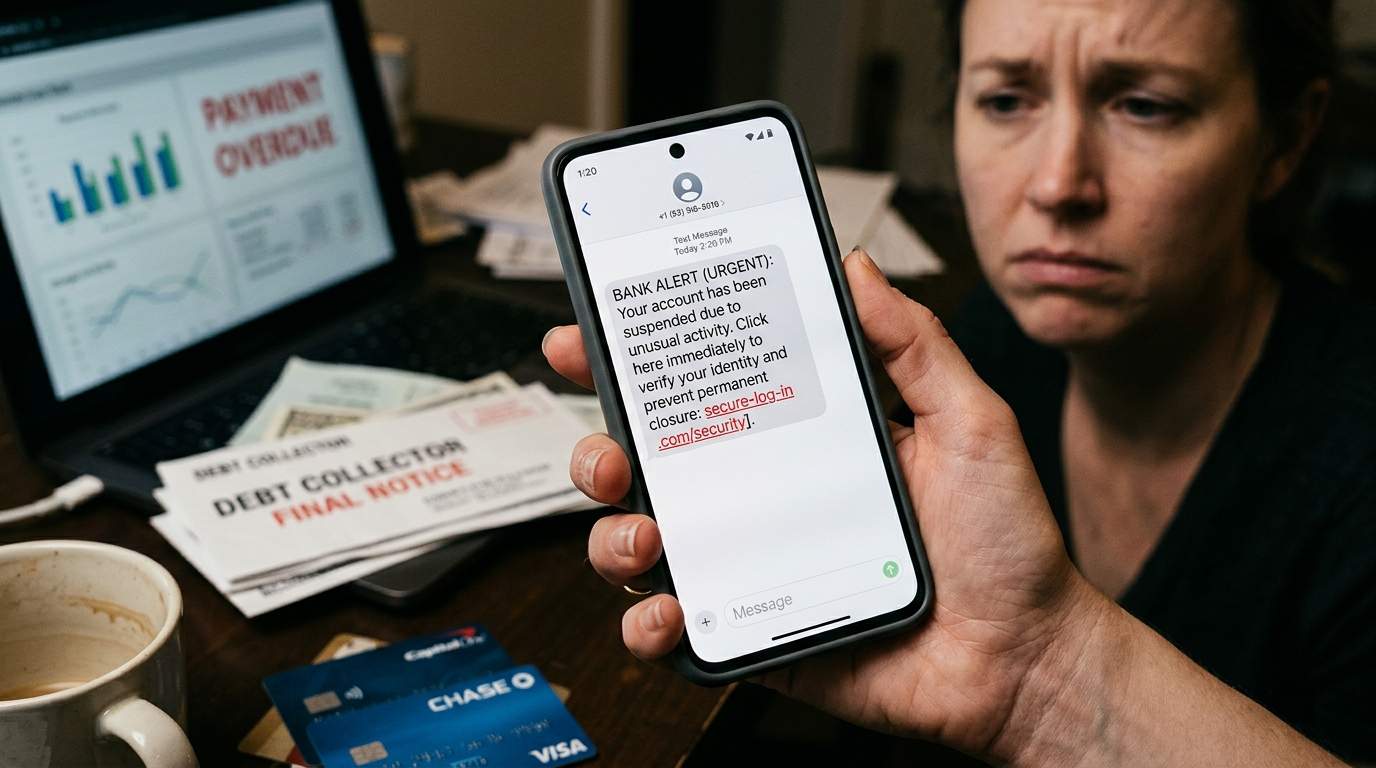
Consider the ubiquitous short link. Legitimate services use them to conserve space and track clicks. Scammers use them to hide their true destination. Clicking a link in an unsolicited message, even one that looks vaguely legitimate, is like inviting a stranger into your house without checking their ID. It's often the quickest way to fall victim to identity theft. I once received a "package delivery" text with a shortened link, perfectly timed with an actual order I was expecting. My finger hovered, but years of battle scars made me pause. A quick, manual check of the official courier website, using my tracking number directly, revealed no issues – and averted a potential disaster.
Another common tactic is the "verify your information" ploy. Banks, government agencies, and reputable companies rarely, if ever, request sensitive personal details like your full Social Security number, account passwords, or PINs via unsolicited text or email. Think about it: they already have your information. Why would they need you to re-enter it through an insecure channel? If an email or text demands you "confirm" or "update" your credentials, it's a blaring identity theft warning. Your digital wealth's shield is your unwavering refusal to provide such details outside of a verified, secure login process initiated by you.
So, how do you develop an infallible "scam radar" without becoming a paranoid recluse? It boils down to a fundamental shift in behavior: never trust, always verify. When you receive an urgent message, the first, most crucial step isn't to click; it's to pause. Take a deep breath. Your wealth, your identity, your future—they depend on that pause. This isn't about ignoring alerts; it's about routing them through a verification firewall.
Think of it like this: your bank's official number is your secure landline, while unsolicited texts are like whispers in a crowded, noisy room. You wouldn't conduct sensitive business over those whispers, would you? Instead of clicking a link or calling a number provided in the suspicious message, independently look up the official contact information for the organization supposedly contacting you. Call them directly. Go to their website by typing the URL into your browser, not by clicking a link. This simple act of independent verification is one of the most powerful financial fraud prevention tools in your arsenal.
In a world awash with digital noise, discerning truth from deception is the new literacy, essential for digital wealth protection. The next wave of technological dividends won't just be for those who innovate, but for those who navigate the treacherous undercurrents of cybercrime with an unshakeable skepticism. Your future prosperity isn't just about making smart investments; it's about not having your present stolen.
The game is rigged for urgency, but you can unrig it by cultivating deliberate slowness. Adopt a multi-factor authentication tool for every critical account. Regularly check your credit report. And educate yourself, not just on the latest tech, but on the enduring patterns of human vulnerability. Because at the end of the day, securing your wealth isn't about outsmarting the algorithms; it's about outsmarting the con artist preying on your very human desire for convenience and peace. The truly smart "shortcut" isn't a click, it's a moment of doubt, a deliberate verification. How prepared are you to protect your digital destiny in this relentless digital crossfire?
Disclaimer: Mention of any brand or trademark is for identification purposes only and does not indicate any partnership or endorsement.
