

I remember sitting with a friend last week who had just received his quarterly bank statement. He pointed at the balance with a sense of pride because the number had not budged despite a volatile month in the global markets. He felt safe while his neighbors were panicking over red charts on their screens. But as we sat there drinking coffee that cost twenty percent more than it did two years ago, I realized he was celebrating a slow leak in his boat simply because he couldn't hear the water rushing in.
The psychological comfort of a stagnant bank balance is one of the most powerful traps in modern wealth management. We are wired to avoid immediate loss, which makes the volatility of a stock portfolio feel like a physical threat. Yet we often ignore the silent erosion of our purchasing power because it happens in fractions of a percent every single day. For a mid-career professional, the math of safety is beginning to change in ways that are increasingly difficult to manage.
A stable balance provides a sense of control that is vital for our mental health. I have seen many people find deep sleep only because they knew they had six months of expenses sitting in a liquid account. This is the primary function of cash, and it is a function we should never disparage or ignore. It serves as a private insurance policy against the unpredictability of life, from sudden job losses to medical emergencies.
The problem arises when we treat our entire future as an emergency that requires immediate liquidity. When you look at the rising cost of a university education or the projected expenses of a twenty-year retirement, you see numbers that are moving targets. If your capital is standing still while your goals are running away from you, your financial security is actually a form of retreating. I often tell people that the most expensive thing you can buy is the ability to withdraw your entire net worth at three o'clock on a Tuesday afternoon.
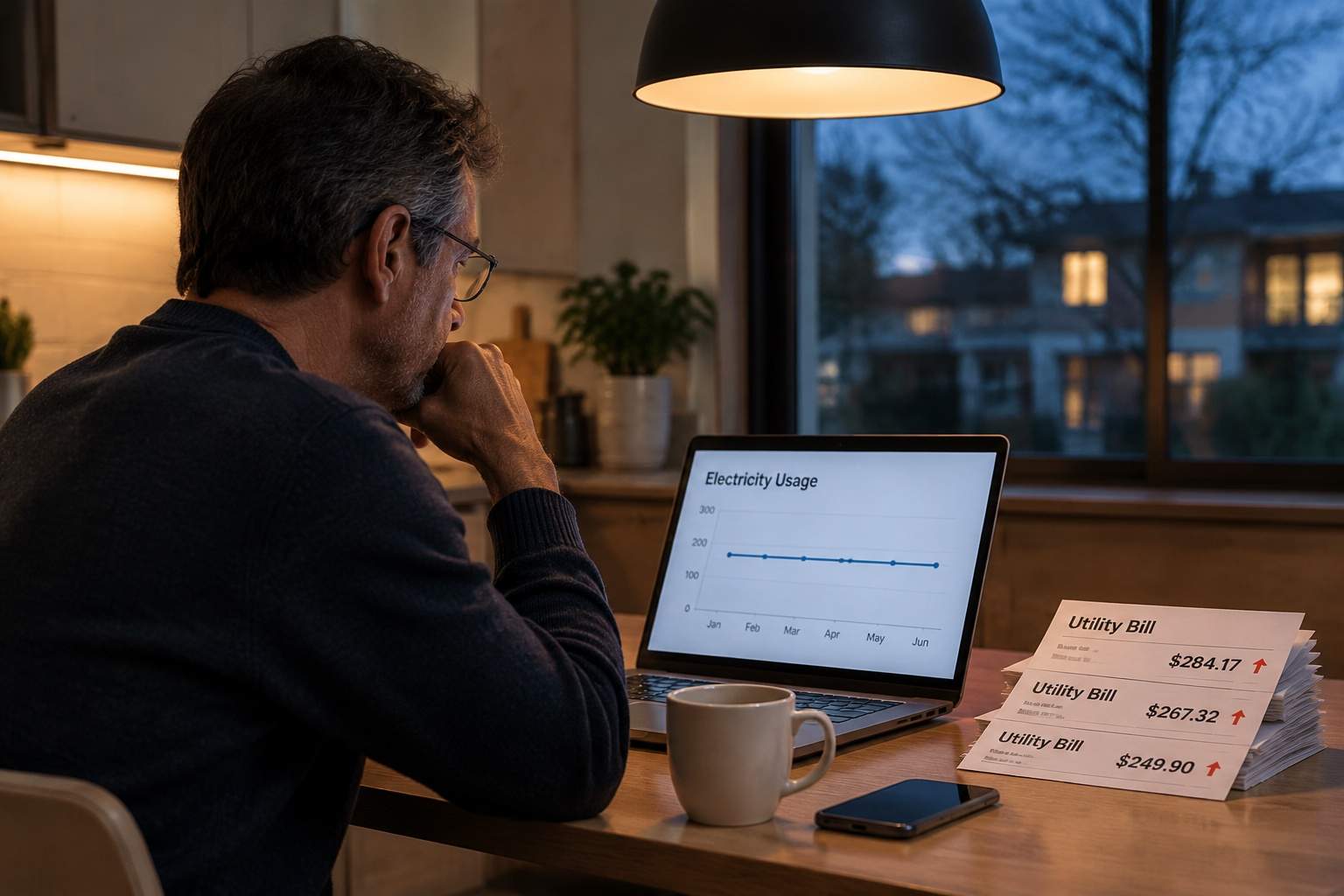
We talk about the inflation rate as if it is a boring government statistic found in the back of a newspaper. In reality, it is the hurdle rate that every one of your dollars must jump just to stay in the same place. If your bank account pays you one percent and the cost of the things you actually buy rises by four percent, you are losing three percent of your life's work every year. You aren't losing the numbers, but you are losing the time and the choices those numbers represent.
Every financial decision is a trade-off between access and growth. When you choose a high-interest savings account or a short-term certificate of deposit, you are paying a premium for the right to change your mind. That premium is the difference between the low interest you receive and the higher potential return of less liquid assets. For short-term needs, this is a brilliant deal, but for a thirty-year horizon, it is an incredibly steep price to pay for a flexibility you may never actually use.
Most people believe that their risk tolerance is something they are born with, like eye color or height. They label themselves as conservative or aggressive and then build their lives around those labels. I have found that true risk management is actually about understanding the specific timeline of your needs. Taking zero market risk with money you won't need for two decades is not being conservative; it is being mathematically optimistic that the world will stop getting more expensive.
We have to distinguish between the risk of a temporary price drop and the risk of a permanent loss of purchasing power. The first is a fluctuation that can be ignored if you don't need to sell. The second is a structural failure of your financial plan that cannot be fixed once you reach the age where you stop earning a salary. I have seen more people's futures ruined by the certainty of a low return than by the uncertainty of a fluctuating one.
I am not suggesting that anyone should take their life savings and throw them into the latest market trend. There is an undeniable dignity in having a pile of cash that does nothing but sit there and wait. It provides you with the "sleep well at night" factor that no spreadsheet can quantify. In a world where markets can swing wildly based on a single headline, having a fortress of liquidity allows you to make decisions from a place of strength rather than a place of desperation.
The challenge is determining exactly how big that fortress needs to be. Many professionals over-insure their lives with excess cash because they fear the feeling of a market downturn. They end up with a portfolio that is perfectly safe for a crisis that might happen next month, but completely inadequate for the life they want to lead in fifteen years. Finding the balance means admitting that some of your money should be bored, while some of it should be working hard enough to keep up with the world.
If the goal of building wealth is to eventually replace your labor with the labor of your capital, then we have to look at passive income through a wider lens. Interest from a bank account is a form of income, but it rarely grows on its own. To build a future that offers more freedom, we often have to look at assets that have the potential to increase their payouts over time. This might mean dividend-growing equities, real estate, or other productive assets that move in tandem with the economy.
These paths are never guaranteed and they come with the stress of seeing values go down as well as up. But we must weigh that stress against the stress of working harder and harder for a currency that buys less and less. I see many people exhausted not because they aren't earning enough, but because they are trying to outrun a systemic devaluation of their savings. They are trying to solve a structural problem with more personal effort, which is a recipe for burnout.
Wealth is ultimately about the ability to say no to things you don't want to do and yes to the things you value. If your pursuit of financial certainty results in a life where you have to work longer than you intended just to keep your head above water, you haven't actually achieved security. You have simply traded one type of anxiety for another. One is the anxiety of the unknown market, and the other is the anxiety of the known shortfall.
I don't have a universal answer for how much risk someone should take, because everyone's kitchen table looks different. Some people have pensions that act as a massive bond, allowing them to take more market risk elsewhere. Others have high-pressure jobs with unstable income, making cash their most important asset. The goal is to stop viewing "safe" as a default setting and start viewing it as a conscious choice with a measurable cost. I still wonder sometimes if we prioritize the comfort of today so much that we are accidentally stealing the freedom of our future selves.
Disclaimer: Mention of any brand or trademark is for identification purposes only and does not indicate any partnership or endorsement.
