

I have spent years sitting across from people who pride themselves on their financial discipline. They have never fallen for a "get rich quick" scheme, they have never chased a meme stock, and they have never lost a cent to a sophisticated phishing scam. They view their bank balance as a fortress. To them, the number on the screen represents a job well done. It is a static, unwavering figure that provides a sense of absolute security in a volatile world. However, there is a quiet conversation I often have to have with these individuals. It usually happens when they realize that while their balance has stayed the same, the price of the life they want to lead has doubled.
The desire for total financial safety is one of the most powerful human instincts. We are wired to fear loss more than we value gain. In the world of finance, this often manifests as a retreat into total liquidity. We keep our money in the most accessible, low-risk accounts possible because we want to know it is there when we need it. This strategy is excellent for preventing the shock of a sudden market crash or the sting of a fraudulent transaction. But it also introduces a different kind of variable that many people overlook until it is too late.
When we choose a path with zero perceived risk, we are rarely actually eliminating risk. Instead, we are usually just trading one type of risk for another. In the case of holding large amounts of idle cash, we are trading the risk of volatility for the certainty of losing purchasing power. Financial practitioners often talk about the importance of liquidity, and they are right. You need money for emergencies. You need a buffer for the unexpected. But liquidity has a cost that is rarely printed on a bank statement.
Liquidity is like an insurance policy for your lifestyle. You pay for it by accepting a lower return on your money. The trap occurs when we buy more insurance than we actually need. If you have enough cash to cover two years of expenses sitting in a basic account, you are very safe from a short-term crisis. However, you are also ensuring that a significant portion of your life's work is not participating in the growth of the global economy. You are essentially paying a premium for a level of safety that might be working against your long-term goals.
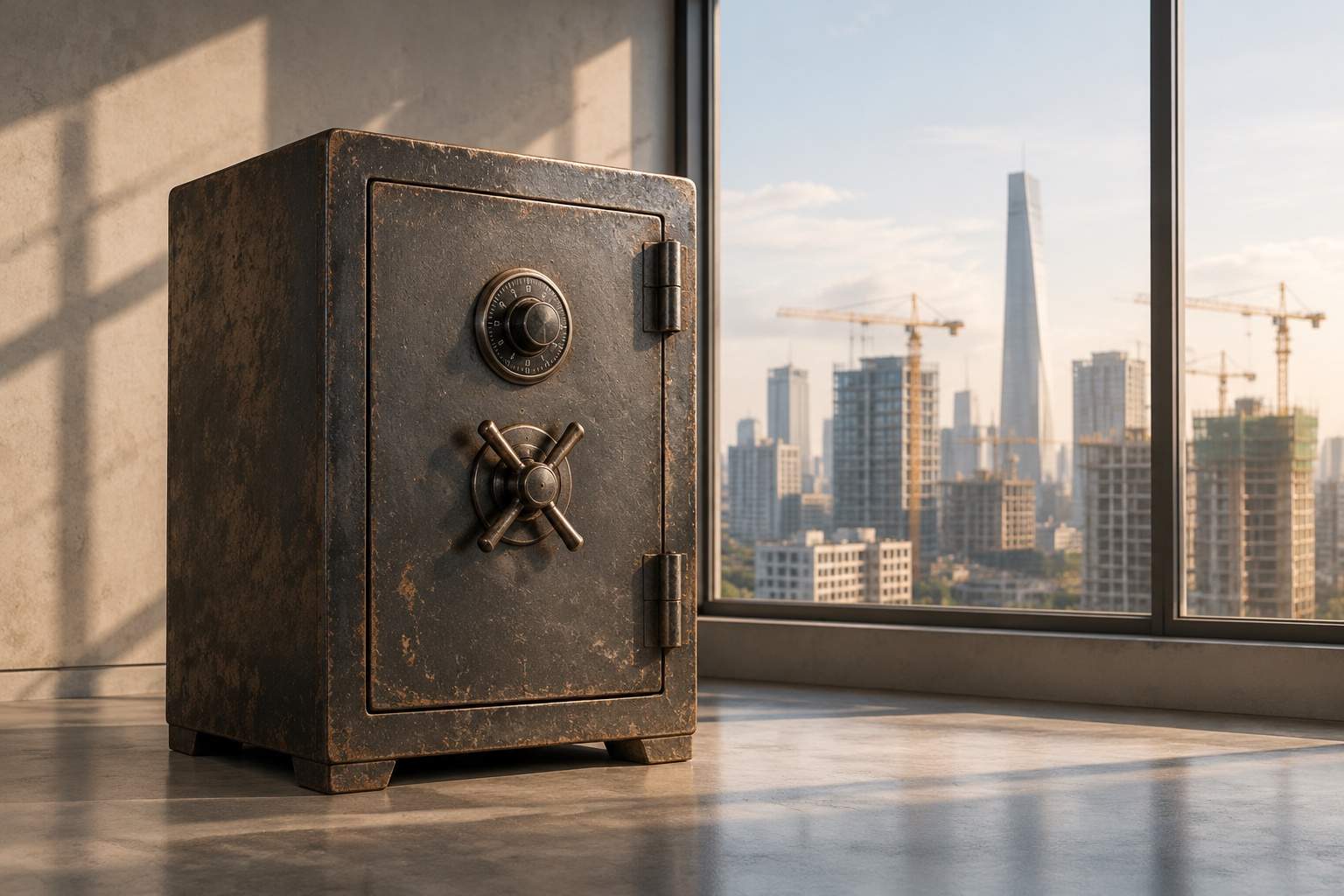
The modern world is full of digital predators. Every day, we are bombarded with news of hackers and fraudulent investment platforms. It is rational to be cautious. For some, this caution turns into a form of emotional paralysis. They become so afraid of making a mistake or being "taken" by a stranger that they opt out of the financial system as much as possible. They equate any form of investment with gambling or exposure to theft. This mindset creates a safe haven, but it also creates a ceiling on what their money can achieve.
It is important to recognize that the fear of being defrauded is a legitimate psychological weight. No one wants to feel like a fool. Yet, by locking everything in a "safe" box, we might be allowing time to do exactly what we feared the scammer would do. The only difference is that time takes your money slowly and legally. It is a heist that happens in fractions of a percent every single month.
We often look at our savings in nominal terms. If you have one hundred thousand dollars today and you have the same amount in five years, your brain tells you that you have lost nothing. But money is not just a number; it is a tool for a future purchase. If the house, the car, or the medical care you intended to buy now costs twenty percent more, you have effectively lost twenty thousand dollars of value. This is the reality of purchasing power risk.
To see the game clearly, you have to look at the real rate of return. This is a simple calculation where you take the interest your bank pays you and subtract the rate of inflation. If your bank gives you four percent but the cost of living rises by five percent, you are technically losing one percent of your wealth every year. You aren't being robbed by a person, but your ability to participate in the future is being diminished. This is why capital preservation is more complex than just keeping the number the same.
I want to be clear that I am not suggesting that savings are bad. On the contrary, a robust savings account is the foundation of any sane financial life. It provides the psychological "sleep well at night" factor that is priceless. The problem arises when we fail to distinguish between money meant for today and money meant for a decade from now. Savings should have a purpose, whether it is an emergency fund, a house deposit, or a planned vacation.
When you give every dollar a job, the fear of the "market" or "investment" starts to fade. Money for next month belongs in a highly liquid, safe account. Money for ten years from now might be better served by assets that have the potential to grow faster than inflation. This isn't about being greedy; it is about maintaining your standing in the world. Stagnant capital is money that has no job other than to sit still. Over long periods, sitting still is one of the riskiest things a currency can do.
There is no universal answer to how much risk a person should take. A retiree who needs every cent for monthly bills has a very different relationship with liquidity than a professional in their thirties. The goal is not to find the "best" investment, but to find the balance that allows you to remain liquid enough to handle life's curveballs while ensuring your future self isn't left holding a bag of devalued currency.
We have to ask ourselves what we are actually protecting. Are we protecting a number on a screen, or are we protecting the quality of life that money is supposed to provide? If your fear of a temporary market dip or a potential scam is so high that you allow your long-term wealth to evaporate through inaction, you may have achieved the safety of the fortress at the cost of the kingdom.
The ultimate irony of personal finance is that the pursuit of absolute safety is often the most dangerous path of all. It feels comfortable in the moment, but it ignores the relentless math of time. Whether we like it or not, we are all participants in an economy that moves forward. If we choose to stand perfectly still, we aren't staying safe; we are simply being left behind.
Disclaimer: Mention of any brand or trademark is for identification purposes only and does not indicate any partnership or endorsement.
