

I recently spoke with a friend who just secured a solid promotion, complete with a pay bump she had chased for two years. Instead of celebrating, she spent her Sunday night staring at her bank app, trying to figure out why her net worth barely budged while her daily expenses quietly swallowed the difference. We are told that hard work and smart budgeting form the foundation of stability, yet many of us experience a strange phenomenon where working harder only makes us feel like we are running faster on a treadmill that never slows down.
We often look at our paystubs as the ultimate scorecard of our success, ignoring how the broader economy quietly shifts the goalposts. When prices for rent, groceries, and services creep upward month after month, a standard salary increase functions less like a reward and more like a temporary anchor against a rising tide. This friction creates a psychological toll because we feel personally responsible for a squeeze that is largely structural. Recognizing this pressure does not mean throwing your hands up in despair, but it does require us to stop blaming ourselves every time the math fails to add up the way financial textbooks promise it should.
The standard advice to set aside cash for a rainy day remains sound, yet it comes with trade-offs that financial advisors rarely emphasize enough.
Keeping several months of expenses in a safe, accessible account protects you from sudden job loss or medical bills, which is an invaluable form of peace of mind. However, that safety carries a hidden cost in purchasing power over time, especially when inflation outpaces standard interest rates. Choosing cash is a deliberate decision to prioritize security over growth, not a financial failure. The tension arises when people treat this safety buffer as an investment strategy rather than what it actually is: an insurance policy you pay for with foregone returns.
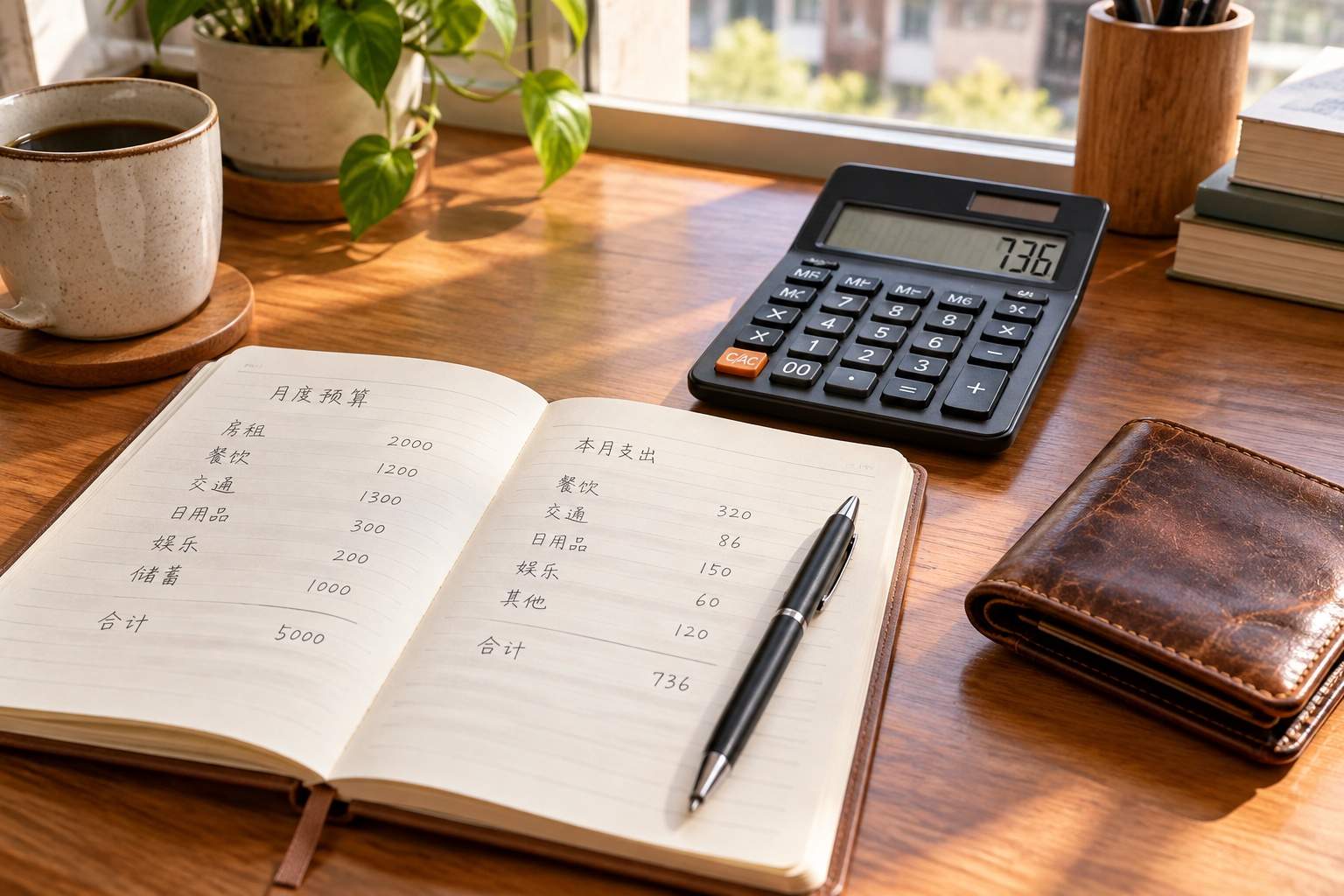
Magazines and social media feeds love to push the narrative that financial freedom is a destination you can reach by following a strict set of rules and cutting out every small pleasure.
The reality is that rigid frugality often breaks down because humans are not robots, and life constantly disrupts our spreadsheets. When a plan demands perfection, a single unexpected car repair or family emergency can derail months of discipline, leading to burnout and financial fatigue. True stability usually comes from building systems that can bend without snapping, rather than chasing an idealized state of total detachment from economic reality.
Every financial choice involves a silent trade-off that goes far beyond simple budgeting.
Deciding to save, spend, or invest always means saying no to alternative paths, and none of those paths are entirely risk-free. If you keep your money liquid to stay flexible, you miss out on potential long-term returns; if you lock your money away for growth, you lose the ability to handle a sudden crisis without taking on new debt. Understanding opportunity cost means accepting that you cannot optimize every single variable in your financial life simultaneously.
We spend so much time trying to decode algorithms, interest rates, and market trends that we sometimes forget the fundamental purpose of managing money is to reduce stress, not create more of it. If your financial choices leave you constantly anxious and feeling like nothing is ever enough, the problem might not be your discipline, but the unrealistic expectations placed on what money alone can fix. Perhaps the most useful shift in perspective is realizing that financial health is a continuous balancing act rather than a puzzle with a single correct solution.
Disclaimer: Mention of any brand or trademark is for identification purposes only and does not indicate any partnership or endorsement.
