

You dutifully check your bank balance, a habit born from years of diligent saving. The number looks solid, perhaps even growing slowly. Yet, a nagging feeling persists: why does the cost of everything – from groceries to rent to that dream vacation – seem to outpace your growth, leaving you feeling just as stretched, if not more so, than before? I've seen that look on countless faces, a mix of pride in their prudence and a quiet anxiety about an unseen force. It's a fundamental disconnect between the number on your screen and the purchasing power it actually represents.
The culprit often hiding in plain sight is inflation. We hear the term, but few truly grasp its insidious impact on our hard-earned money. Simply put, inflation means that the same amount of money buys you less over time. A loaf of bread today costs more than it did five years ago, and it will likely cost even more five years from now. Your bank balance might stay the same, or even tick up slightly with interest, but what that balance can actually purchase is quietly shrinking. It's not a direct withdrawal, but a constant, subtle devaluation.
Many traditional savings accounts offer interest rates that barely keep pace with inflation, and often, they fall significantly behind. When inflation is, say, 3% and your savings account offers 0.5% interest, your money isn't just sitting still; it's losing real value. This isn't a complex equation; it's a simple fact of economic life. The "safety" of keeping cash easily accessible in a low-interest account can become a hidden tax on your future ambitions, creating a gap between your perceived financial security and your actual economic reality.
I'm the first to tell anyone: an emergency fund is non-negotiable. It’s the bedrock of any sound financial plan, covering unexpected job loss, medical emergencies, or sudden car repairs. It’s about managing risk and securing peace of mind. This money absolutely needs to be liquid and safe. But where you choose to keep it is a decision that deserves scrutiny, because even emergency funds have an opportunity cost of cash.
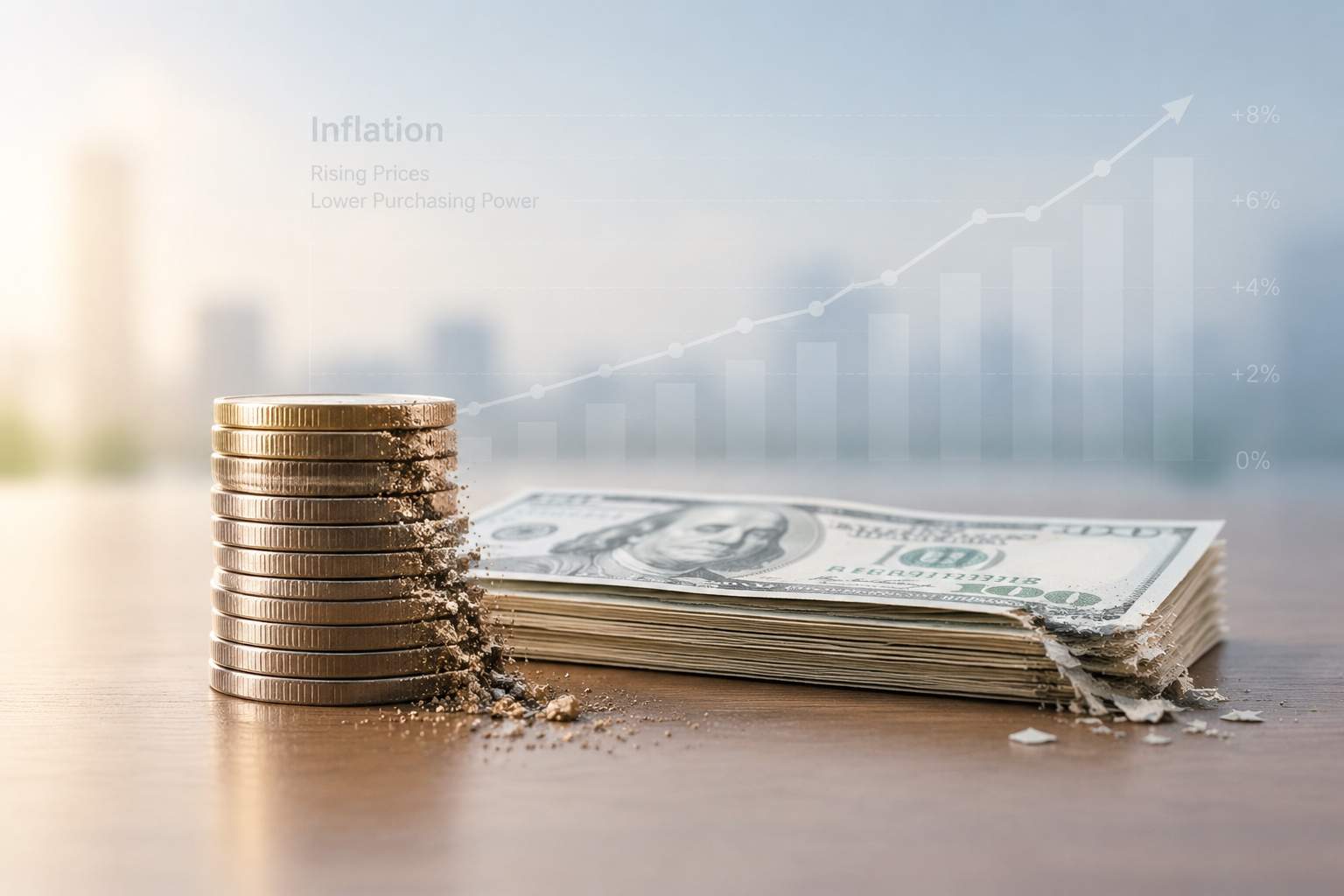
For decades, the default was a standard checking or savings account. But with today's persistently low interest rates, that comfortable default might be costing you. If your emergency fund is substantial and sitting in an account earning next to nothing, you're not just foregoing potential gains; you're allowing inflation to diminish its future buying power. This doesn't mean taking undue risks. Instead, it’s about exploring alternatives like high-yield savings accounts or money market accounts. These often offer slightly better interest rates while maintaining quick access to your funds, striking a better balance between liquidity and mitigating the inflation impact.
It's easy to treat all money the same, but that's a mistake I see often. Your money isn't just a lump sum; it's a collection of resources, each with a different job based on your financial goals and timeline. Money you need next month for rent is different from money you might need in five years for a down payment, which is vastly different from money earmarked for retirement decades away. Each chunk needs a suitable home. For short-term needs, prioritizing capital preservation and liquidity makes perfect sense. But as your time horizon stretches, the argument for simply "saving" in a low-yield account weakens considerably.
The cost of living crisis has only amplified this challenge. Every dollar counts, and every decision about where to put that dollar carries weight. The immediate comfort of liquid funds, ready for any sudden need, is powerful. It’s a feeling of control. But this comfort needs to be weighed against the potential for significant long-term growth, considering the unpredictable tides of inflation and personal necessity. Understanding this trade-off is central to financial planning for beginners. It's not about labeling savings as "bad," but recognizing its specific role and its limitations when it comes to long-term wealth building.
When we talk about making money "work for you," we often eventually touch on investment. This isn't a call to dive headfirst into the stock market. Not at all. Investing carries inherent risks, including the risk of losing principal. But it also offers the potential for returns that can outpace inflation over time. The key is understanding that different instruments—from Certificates of Deposit to bonds to diversified funds—each come with their own blend of risk, return potential, and liquidity. There's no single "right" answer for everyone. Your path depends entirely on your time horizon, your emergency fund dilemma resolution, your comfort with risk, and your specific financial objectives.
My goal isn't to tell you what to do with your money, but to help you ask better questions about it. Are your savings aligned with your life's priorities? Are you protecting your emergency fund appropriately, while also recognizing when other portions of your wealth could be working harder? It's about developing your own logical framework for how money flows through your life, considering liquidity demands, risk tolerance, and the silent, persistent forces that shape its value. There are no universal answers, only thoughtful choices tailored to your unique circumstances, and the continuous effort to ensure your hard-earned money truly serves your future.
Disclaimer: Mention of any brand or trademark is for identification purposes only and does not indicate any partnership or endorsement.
