

As a financial writer, I've seen countless people, myself included, find profound comfort in a healthy bank balance. You've diligently saved, maybe even built a robust emergency fund, and that number staring back at you from your online banking portal feels like a solid shield against life's unpredictable blows. It’s a tangible representation of financial security, a quiet reassurance that you’re prepared.
But lately, something I’ve observed is a creeping anxiety, a quiet unease that settles in as the cost of living continues its relentless climb. Whispers of inflation aren’t just news headlines anymore; they’re showing up at the grocery store, at the pump, in the cost of rent. And then the question emerges, one that I often hear, and sometimes ask myself: Is this seemingly safe cash, parked diligently in a high yield savings account, actually working for me? Or is it silently losing its power, costing me more than I realize in missed opportunities and eroded purchasing power?
Let's be clear upfront: there’s immense, undeniable value in holding cash. A well-funded emergency fund isn't just a recommendation; it's a financial bedrock. I’ve witnessed firsthand how access to liquid funds can prevent small problems from spiraling into financial crises – covering unexpected medical bills, a sudden car repair, or navigating a job loss. This immediate liquidity provides peace of mind, allowing you to breathe during stressful times without resorting to high-interest debt.
For many, the first and most critical step in cash management strategies is building that cushion. It’s your immediate response team, typically three to six months' worth of essential living expenses, kept easily accessible. Its primary job isn't to grow rich, but to provide certainty and stability. It lets you sleep at night, knowing you have a buffer against the unforeseen. This is where a basic Savings Account or even a Money Market Fund shines, offering security and quick access.
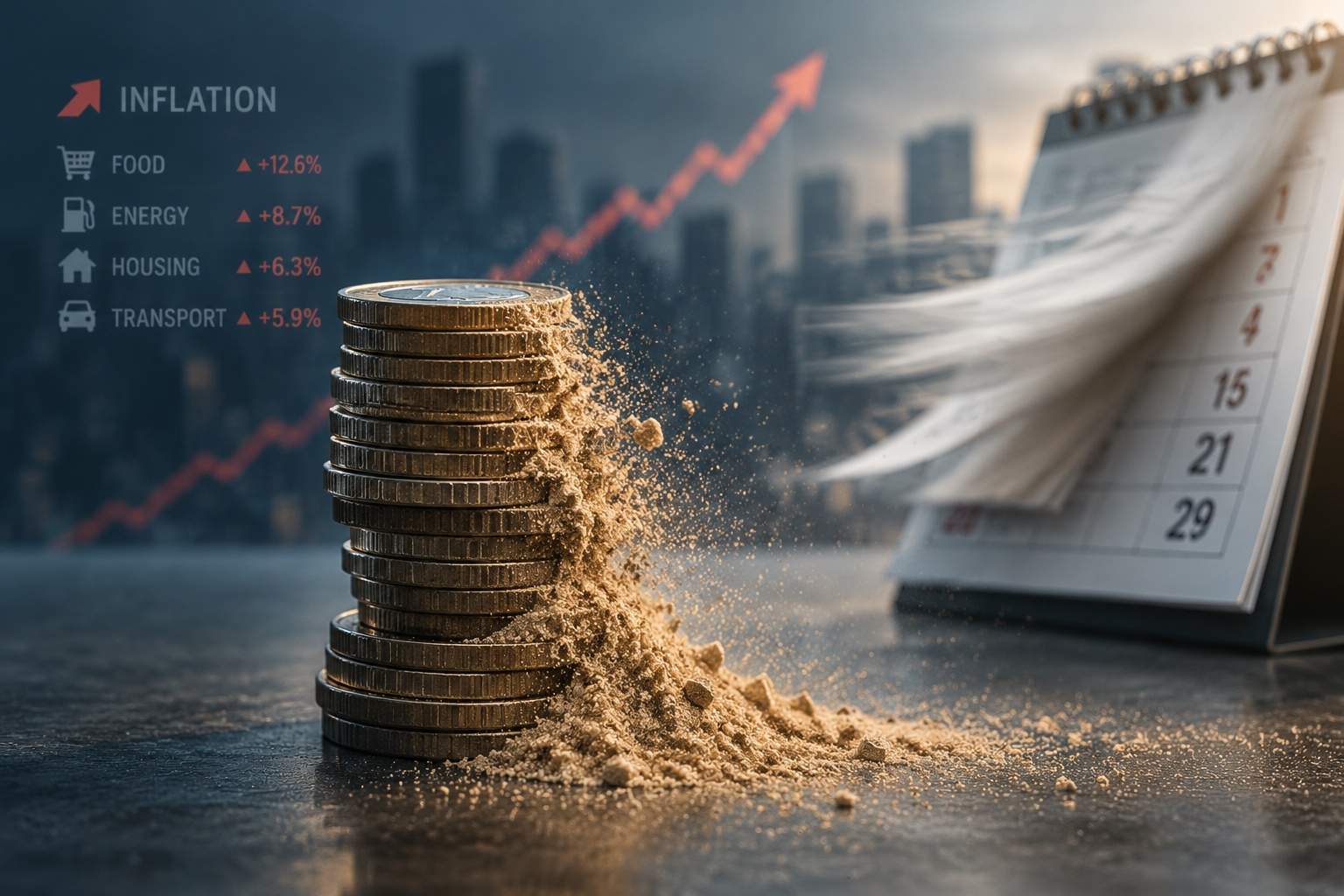
However, this comfort can sometimes blind us to a persistent, often subtle threat: inflation. Inflation is essentially the rate at which the general level of prices for goods and services is rising, and consequently, the purchasing power of currency is falling. If a basket of groceries cost $100 last year, and inflation is 3%, that same basket will cost you $103 this year. Your dollars, while still numerically the same, now buy less.
The term "high yield savings" sounds reassuring, doesn't it? It suggests your money is working hard. And in some ways, it is, earning more interest than a traditional checking account. But the crucial question is: is that "high yield" rate actually outpacing inflation? If your savings account is earning 2% and inflation is running at 3%, your money is still effectively losing 1% of its purchasing power each year. This isn't a problem of the balance decreasing, but rather of its capacity to buy things slowly dwindling. This is the quiet erosion I talk about – it's not a direct debit from your account, but a gradual, insidious loss of value.
Then there’s the opportunity cost. This is perhaps the hardest concept for many to grasp because it’s entirely invisible. It’s the value of the next best alternative that you forego when making a choice. When you decide to keep a significant portion of your capital in highly liquid, low-return cash, you're implicitly choosing not to put that money into assets that have the potential for greater growth.
Let's imagine a hypothetical scenario: you have funds beyond your comfortable emergency fund. You could keep them in a high yield savings account earning a modest rate, or you could invest them. Historically, over longer periods, diversified investments in assets like stocks or real estate have outpaced inflation. The opportunity cost of keeping those funds in cash is the potential growth you missed out on. It's the difference between what your money did earn and what it could have earned, adjusted for risk. This isn't to say investment is always better, but it's a cost we often overlook when prioritizing immediate financial security.
So, how do we navigate this conflict? It’s not an "either/or" dilemma, but rather a spectrum of choices that depend entirely on your unique situation. The goal isn’t to abandon cash, but to ensure that every dollar you hold serves a specific purpose, aligned with a specific timeline and risk tolerance. Cash management strategies are about segmenting your money.
For immediate needs and true emergencies, liquidity is king. Your emergency fund should remain in easily accessible, secure accounts like Savings Account or Money Market Fund. But for money intended for goals further down the line – a house down payment in five years, retirement in twenty – the calculation changes. Here, the opportunity cost of keeping everything in cash becomes more significant. You might consider instruments like a Certificate of Deposit for mid-term goals, or exploring diversified investment portfolios for long-term growth, understanding the inherent risks involved. The challenge lies in genuinely weighing the tangible comfort of readily available cash against the invisible, long-term costs of opportunity and the eroding power of capital.
Ultimately, there’s no universal answer to "how much cash is enough?" Your personal financial security is a complex equation, influenced by your income stability, your future goals, your debt obligations, and crucially, your own comfort level with risk. It’s about understanding the function of each dollar you hold. Is it for spending next week? For a crisis next month? Or for building wealth over the next decade? Each purpose demands a different home for that money.
I often reflect on the true meaning of "security." Is it merely having a large number in a bank account, or is it having your money strategically aligned to serve your short-term needs while also defending its long-term purchasing power? It's a balance I believe we all continuously refine.
Disclaimer: Mention of any brand or trademark is for identification purposes only and does not indicate any partnership or endorsement.
