

It’s a familiar ache, isn’t it? You work harder, maybe even earn more, but that dream vacation or the down payment on a home still feels like it’s slipping further away. Saving for retirement feels less like a goal and more like a gamble against an unseen force. This isn't just you, I assure you. This pervasive anxiety, this feeling of perpetually playing catch-up despite diligent effort, is a global reality, and it stems from a subtle but powerful adversary: the silent erosion of your money's purchasing power.
For generations, the advice was simple: save your money. And on the surface, it still sounds like the epitome of prudence. Put your cash in a bank, watch the balance grow, however slowly, and feel secure. But what if the very act of holding onto cash, especially a significant amount for the long term, is one of the riskiest financial decisions you can make in today's economy? I'm not talking about market crashes or bad investments. I'm talking about something far more insidious and, for many, less understood: inflation.
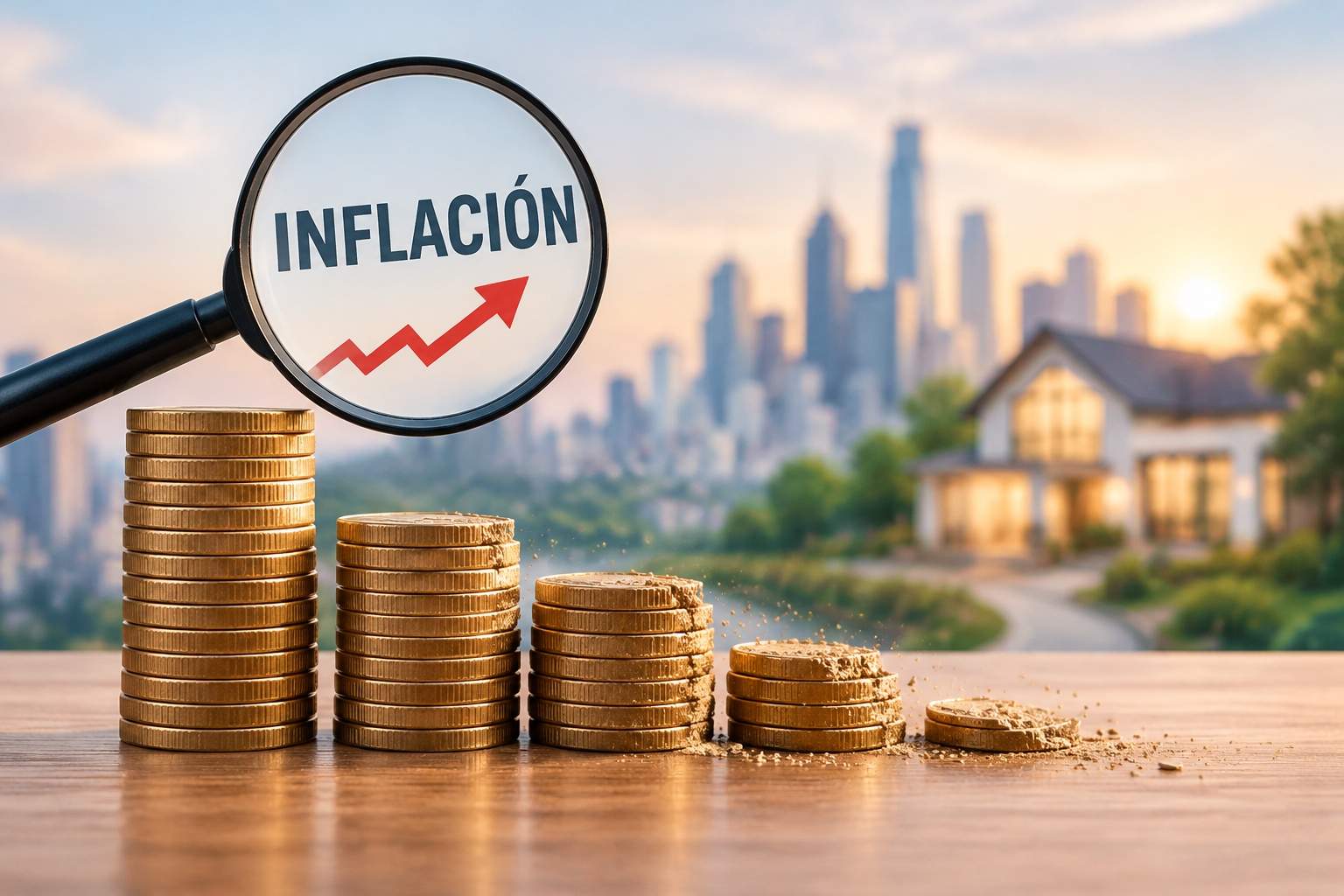
Inflation isn't just about the price of milk going up. It’s the invisible tax on every dollar you own, steadily chipping away at its value over time. That $100 you have today will buy you less next year, and even less the year after that. Banks offer interest rates on savings, but often, these rates barely keep pace with, or even fall behind, the rate of inflation. So, while the number in your savings account might tick up, your actual buying power is quietly diminishing. This is why, despite earning more, you might feel like you're losing ground in the face of the relentless cost of living crisis.
Before we delve deeper into the "risks" of holding too much cash, let's be absolutely clear: savings are indispensable. A robust emergency fund is the bedrock of any sound financial plan. This isn't just a recommendation; it's a non-negotiable. Life throws curveballs – a sudden job loss, an unexpected medical bill, a car repair. Without easily accessible cash, these events can quickly spiral into debt and profound stress.
Your emergency fund provides crucial financial security, liquidity, and peace of mind. It should be enough to cover three to six months of essential living expenses, held in a readily accessible, low-risk account. This is the "safety net" we all need. It mitigates immediate risks and prevents you from having to sell investments at a loss during an emergency. The value of this specific pool of cash lies in its accessibility and security, not its growth potential.
Once your emergency fund is adequately covered, the dynamics of holding additional cash shift dramatically. Every dollar sitting idle beyond that essential buffer isn't just "safe"; it's a dollar that's potentially losing value due to inflation, and more importantly, it's a dollar missing out on opportunities for growth. This is the concept of opportunity cost: what you miss out on by choosing one option over another.
In a low-interest rate environment coupled with persistent inflation, holding large sums in a traditional savings account becomes a losing proposition in the long run. The dilemma then becomes: how do you genuinely balance the immediate need for a flexible emergency fund with the long-term imperative to grow capital, especially when every dollar feels precious and potentially needed tomorrow?
The answer lies in understanding the different purposes of your money. Not all cash is created equal, and not all financial instruments serve the same purpose.
If your goal is financial security for the short-term (e.g., your emergency fund, saving for a purchase in the next year or two), then low-risk, highly liquid options like savings accounts or short-term certificates of deposit are entirely appropriate. You prioritize capital preservation and accessibility over growth.
However, for long-term goals like retirement planning, a child's education, or even buying a home in five to ten years, simply relying on cash will leave you perpetually behind. Here, you need to consider investment strategies that aim to outpace inflation. This might involve diversified investment funds, bonds, or stocks, each with their own risk profiles and potential returns. The trade-off is often reduced liquidity and increased risk in exchange for potential capital growth. This isn't about chasing quick gains but about strategic allocation for different time horizons.
There’s no universal financial instrument that serves as a magic bullet. Savings, investment funds, bonds, and even insurance all play distinct roles within a holistic financial plan. The "best" choice isn't absolute; it depends entirely on your unique circumstances.
Before making any significant financial decisions, I always encourage people to consider their own time horizon (when will you need the money?), liquidity demands (how quickly might you need access to it?), risk tolerance (how comfortable are you with potential fluctuations?), debt status (are you carrying high-interest debt?), and, most critically, your personal financial goals. For some, paying down high-interest debt might be a better "return" than any investment. For others, the peace of mind from a substantial cash buffer, even if it loses some purchasing power, might outweigh the desire for aggressive growth.
The goal isn't to scare you out of saving, but to invite you to think critically about where and why you hold your money. Understanding the silent erosion of inflation is the first step toward reclaiming control, ensuring that your hard-earned money isn't just sitting there, but actively working to help you catch up and build the future you envision.
Disclaimer: Mention of any brand or trademark is for identification purposes only and does not indicate any partnership or endorsement.
