

A friend refused to close an old credit card. He hadn't used it in four years. The annual fee was $95. When I asked why, he said, “My credit score will drop if I close it. It’s my oldest account.” He was paying $95 a year for a ghost card. For what? A potential loan in the future that might have an interest rate 0.25% lower. He had no plans to borrow money for at least three years. That $95 over three years is $285. For a score change he wouldn't even notice.
The credit score industry has done something brilliant. They convinced millions of people that a three-digit number is a measure of financial virtue. It is not. It is a measure of how profitable you are to lenders. Paying interest to “build credit” is like paying rent to improve your landlord’s opinion of you.
Here’s what no one tells you: a perfect credit score is worth almost nothing if you don’t borrow money. And the people who need credit the most are the ones making the worst trades to chase it.
I believed this in my twenties. Kept a $500 balance on a credit card month to month. Paid 18% interest. Thought it showed “responsible revolving use.” Then I learned the truth: credit bureaus don't see whether you pay interest. They only see whether you pay on time. A paid-in-full statement and a carried balance look identical on your report. The only difference is the interest you flushed away.
Real example from a reader: A young professional carried $2,000 for two years. Paid $400 in interest. Her score went from 710 to 730. She could have gotten that same 20-point bump by simply asking for a credit limit increase or adding a utility bill to her report. The $400 bought nothing.
Credit scoring models reward low utilization — using less than 30% of your available credit. You don’t need to carry debt to show low utilization. Just pay the full balance before the statement closing date. That zero balance reports as low utilization. No interest. Same score boost.
Keeping an old account open makes sense if it has no fee and you monitor it for fraud. Keeping an old account with an annual fee is financial self-harm. The average age of credit accounts is only 15% of your FICO score. A paid-off mortgage or a ten-year-old credit card already anchors that average. Closing a $95-annual-fee card from 2012 will drop your score maybe 5-10 points for three months. Then it recovers.
I closed my oldest card at 34. It had a $120 annual fee. My score dropped from 815 to 808. Three months later, it was back to 815. I saved $480 over four years. That’s a weekend trip. The bank sent me a “we’ll miss you” letter. I did not miss them.
Here’s the strangest outcome of credit score obsession. People keep small, low-interest debts open because “it helps my mix of credit.” A $5,000 car loan at 4% paid off early would save interest. But some people delay paying it off because they fear a score drop. That’s backwards. Wealth is cash flow and net worth. A credit score is a tool. Using a tool should not cost you money.
Retailers love offering “0% financing for 12 months.” The catch is deferred interest. Miss one payment or fail to pay the full balance by month 12, and they charge you retroactive interest from day one — often at 25-30%. I fell for this with a mattress. Financed $2,000 at 0%. Made nine on-time payments. Then lost the tenth in the mail. They hit me with $450 in back interest. My credit score didn't save me. My autopay setup would have.
Actionable step: If you use 0% financing, set autopay for the full monthly amount plus an extra 10% buffer. Then set a calendar reminder three weeks before the promo ends to pay the remaining balance. Or better: only use 0% offers from real credit cards (not store cards) and pay them off two months early.
Opening a store card for a one-time 20% discount drops your credit score temporarily due to the hard inquiry and lower average age. The discount might be $50. The score drop might cost you nothing if you don't borrow soon. But the risk is behavioral. Store cards have higher interest rates and worse terms. One late payment and the “savings” vanish.
People who obsess over a 800+ score often miss the real wealth lever: not needing credit at all. A paid-off house. A fully funded emergency account. A car bought with cash. These things make your credit score irrelevant. The banks become desperate to lend to you when you don't need their money.
I learned this from a neighbor. He drove a 12-year-old truck. Paid cash for everything. Hadn't checked his credit score in a decade. When he refinanced his rental property, the bank approved him instantly. His score was 760. Not perfect. More than enough.
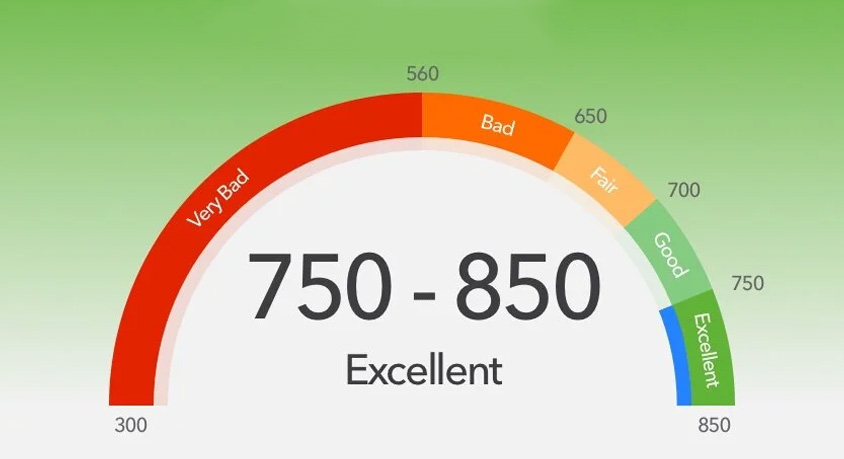
Most lenders give their best rates to anyone with a score above 740. The difference between 740 and 850 is zero dollars in mortgage interest. Zero in car loan rates. Zero in credit card approvals. Chasing 850 is a vanity project. It costs time and sometimes money. That time could be spent earning income or learning to invest.
You don’t need a credit monitoring subscription. You don’t need to micromanage utilization. Do this instead:
Pull your free annual credit report from AnnualCreditReport.com (the only official site). Check for errors or fraud. Freeze your credit at all three bureaus (Equifax, Experian, TransUnion). It’s free and takes 15 minutes. A freeze prevents identity theft without affecting your score. Set up autopay for the minimum on every card to avoid late payments. Pay the full statement balance each month. That’s it.
Have two credit cards. Use one for daily spending, set to autopay full balance. Keep the other in a drawer for backup. No annual fees. No carried balances. No stress. Your score will settle between 740 and 780 within a year. That’s the promised land. Everything above is theater.
I stopped checking my credit score three years ago. I have no active debt except a mortgage below 4%. My last car was $9,000 cash. My credit cards pay me cash back, not the other way around. The last time I applied for a loan, the banker said “your credit is excellent.” I didn't ask for the number. It didn't matter.
Here’s a question worth sitting with: if you woke up tomorrow with an 850 credit score but no savings and no investments, what would that number actually do for you? Now flip it. If you had $100,000 in the bank and a score of 620, which person gets the better sleep?
Disclaimer: Mention of any brand or trademark is for identification purposes only and does not indicate any partnership or endorsement.
